Gifting has never been easier
Perfect if you're short on time or are unable to deliver your gift yourself. Enter your message and select when to send it.

With 2025 in the rearview mirror, we’re heading into the new year with a renewed perspective, and the first place changes often take shape is at home. Maybe it’s finally clearing out that overstuffed junk drawer or tackling the DIY project you’ve been putting off. And for many, revamping a child’s bedroom or setting up a nursery for a little one on the way offers a tangible way to breathe new life into the home, creating a space where function and whimsy meet.
While there were plenty of standout kids’ design moments last year (hello, cabana stripes), we're spotlighting five kids’ room and nursery trends you can expect to see more of in 2026. To get a read on what’s resonating now, we tapped interior designers Tenlie Mourning and Maggie Richmond of Maggie Richmond Design, who shared their thoughts on how children’s spaces are evolving and how you can glean inspiration from them.
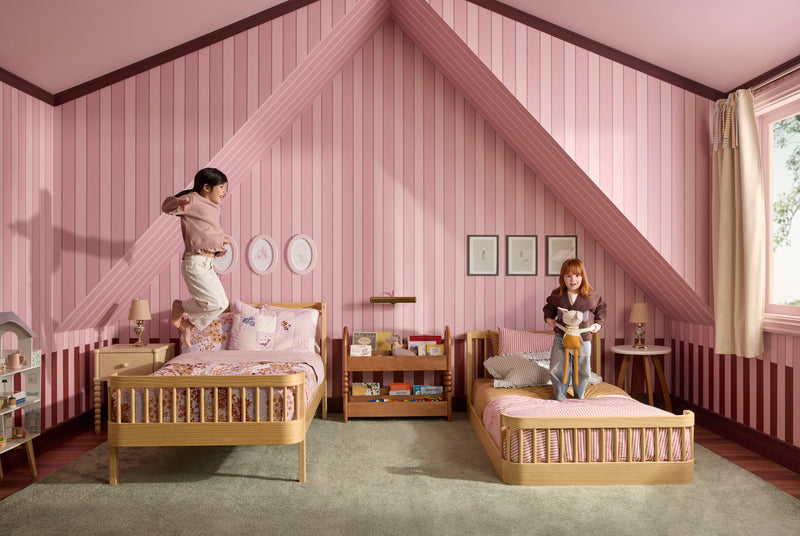
“As many living spaces get smaller—particularly in urban environments—nurseries need to function as complete living suites for children, operating as sleeping, playing, and reading zones all in one, often within a tiny footprint,” Mourning shares. “This shift is forcing nurseries to be far more intentionally designed and optimized.”
Rather than feeling restrictive, that constraint is pushing creativity forward, resulting in kids’ rooms that are calmer, smarter, and more considered than ever before. From artful walls to eye-catching storage, these are the trends defining kids’ spaces in 2026.
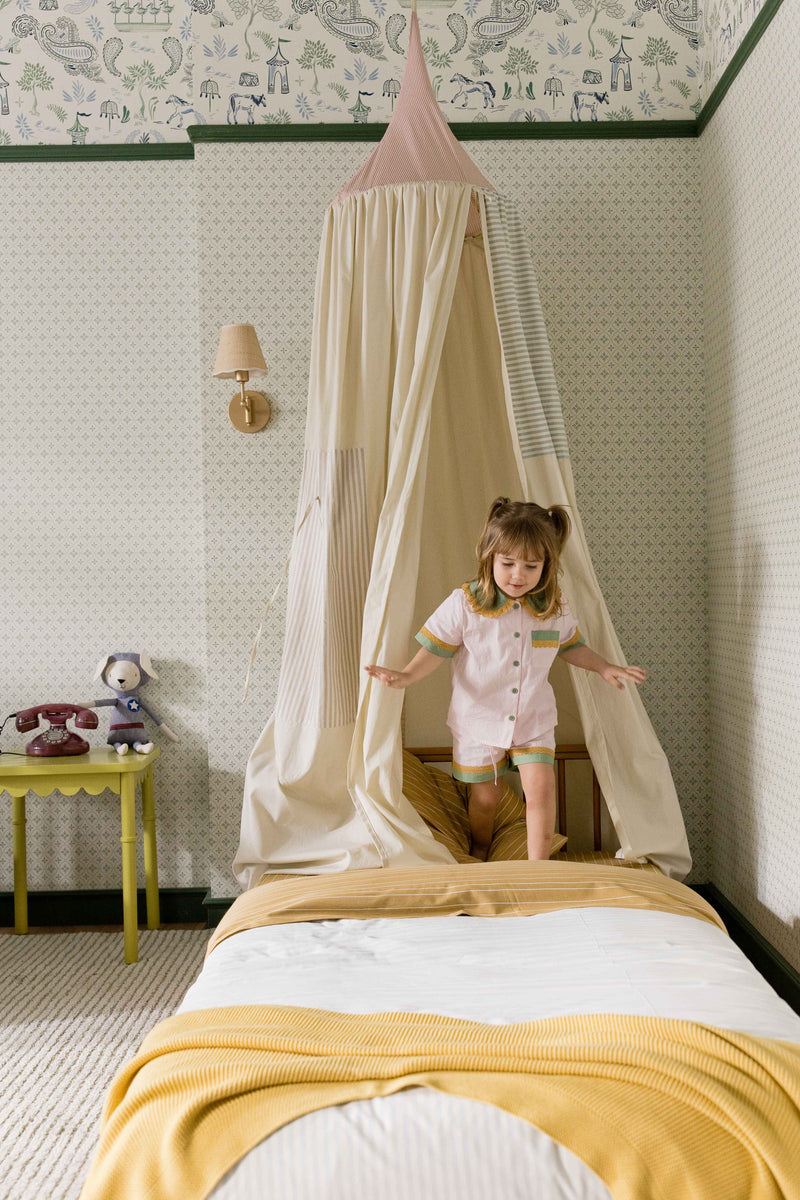
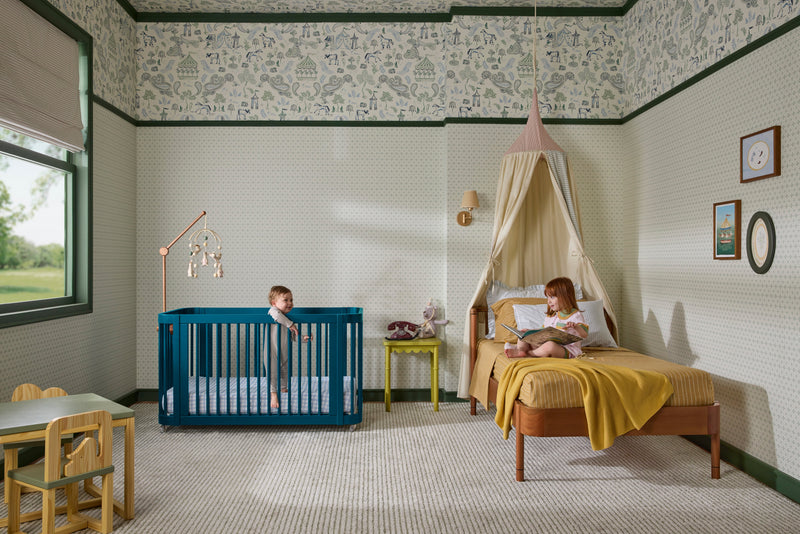
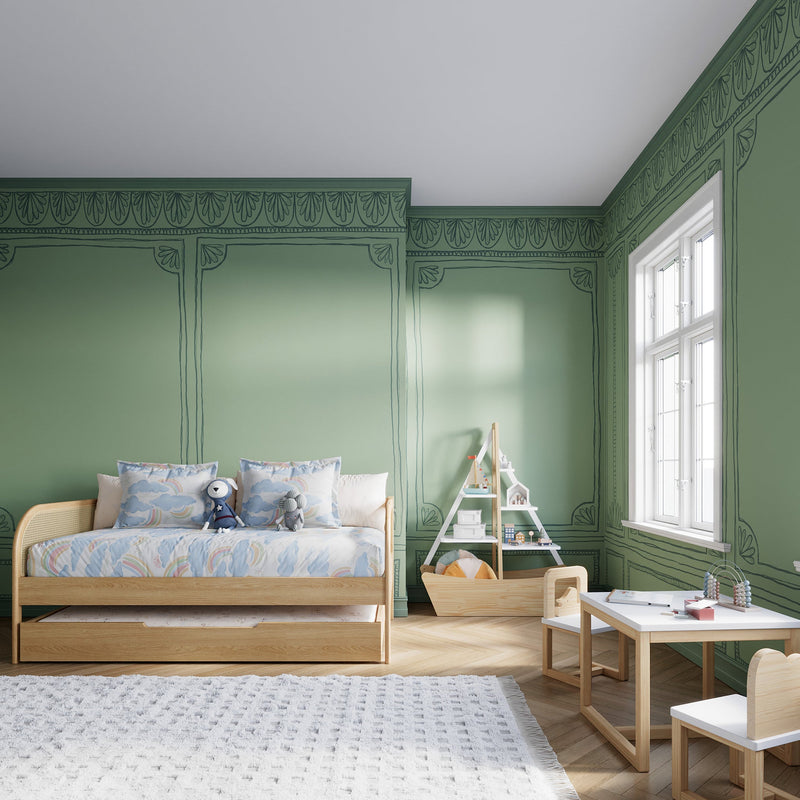
One sure-fire way to add interest and character to a child’s space is through wallpaper and we’ve definitely seen the uptick in this for some time. But lately, there’s been a shift away from more accent and pop-driven prints to more artful and mural-like iterations that can really grow with kids as they get older. “Wallpaper is moving toward illustrative styles that feel timeless rather than tied to a specific character or trend,” Mourning shares.
“I'm always a fan of wallpaper in kid's rooms,” Richmond adds. “I love using a more sophisticated pattern or a grasscloth that can live on as they grow, leaving the more playful and themed decor for things like art and accents that can easily be swapped out as their preferences change.”
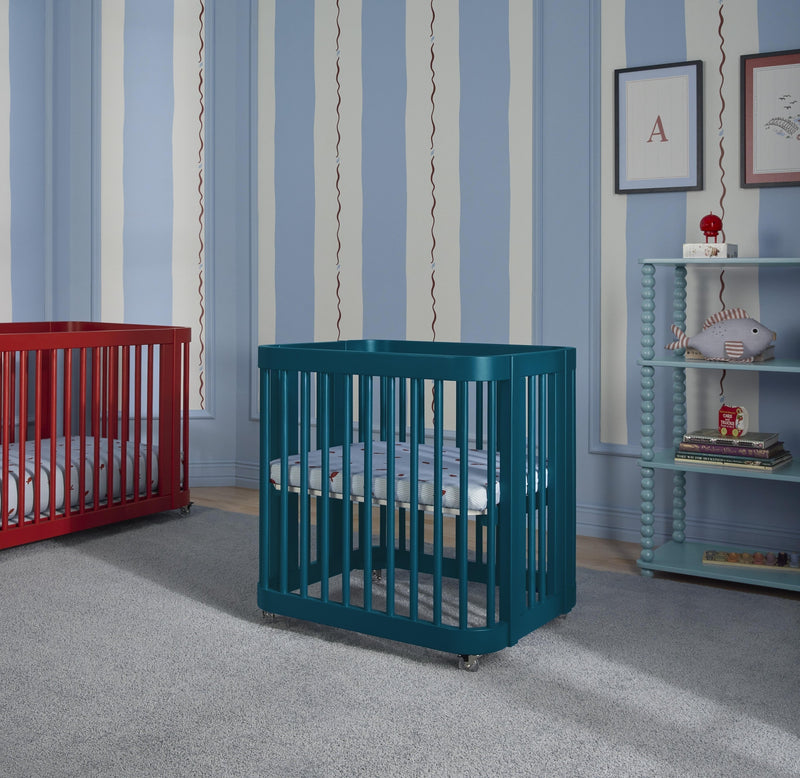
Mourning also shares that for those looking to bring in a more personal, expressive touch, hand-painted details are on the rise. “I think we'll continue to see more hand-painted and handmade details where the artisan's hand is clearly visible—painted murals with intentional brushstrokes. The goal is to create spaces that are stimulating and joyful for children while also feeling grounded and beautiful to the adults who live with them.”


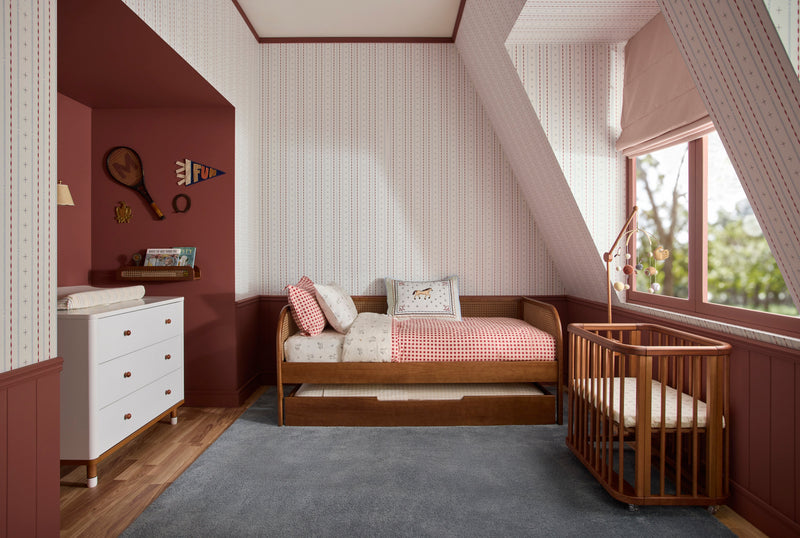
While the urge to awash the room in primary hues and bold tones might come up when designing for a kid’s room, there’s something to be said about taking a more considered approach. “I think we're seeing colors become more muted and sophisticated, with a significant increase in texture and pattern doing the heavy lifting,” Mourning says.
“Kids' rooms should absolutely be colorful, but the color schemes are becoming as intentional and layered as you'd find in a primary suite. We're seeing more complex, earthy tones—soft terracottas, sage greens, warm ochres—paired with interesting patterns that add visual depth without being juvenile.”


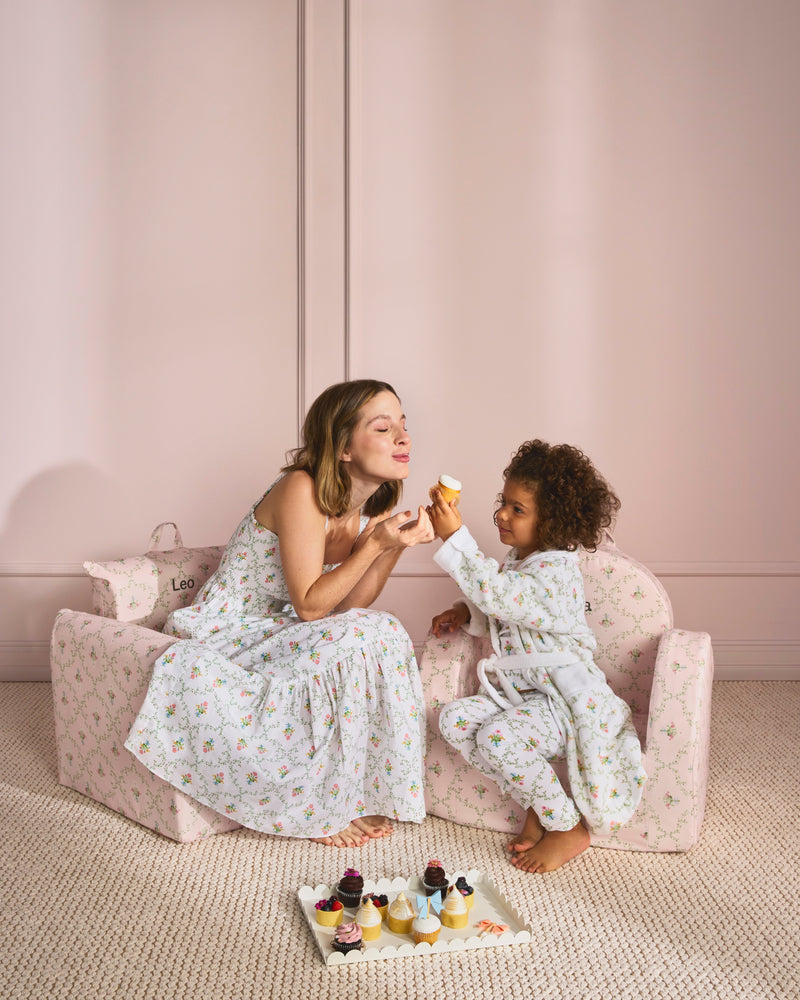
Adding textiles and layered soft goods is an easy way to shift the mood of a space, and according to Mourning, the more dramatic, the better. “Dramatic textiles are becoming essential tools for anchoring rooms in pattern and color while bringing a sense of warmth and drama to the space. When you're working with neutral wall colors and timeless furniture, textiles become the layer where you can be more adventurous—a bold patterned rug, textured linen curtains with interesting trim details, or layered quilts and throws that add visual interest,” she shares.
Plus, drapery and curtains also act as functionality in a kids room. “These elements also help with acoustics and create that cocooning feeling parents increasingly want in their children's spaces,” Mourning adds. “The beauty of investing in quality soft goods is that they're relatively easy to swap out as tastes change, but when chosen well, they often prove surprisingly enduring.”
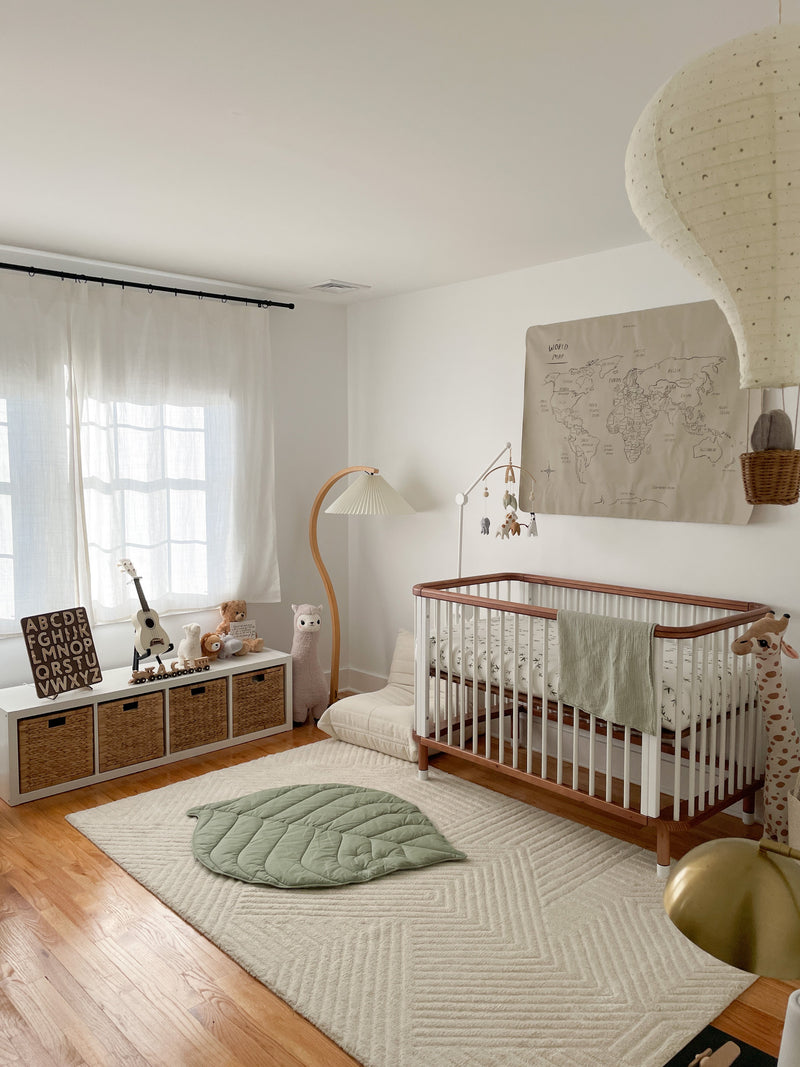
“I've been doing a lot of layering when it comes to window treatments and rugs,” says Richmond. “Blackout curtains are often a necessity for kid's rooms but adding a layer of sheer or privacy lined soft drapery overtop adds a level of calmness to the room.”


As Mourning mentioned above, kids’ rooms often act as a multi-purpose space, which is why it’s important to thoughtfully incorporate storage. “We're building storage into the walls and into the architecture of the rooms themselves to achieve a cleaner look with genuine ease of use,” Mourning shares.
“This might mean floor-to-ceiling built-ins with a mix of open shelving for display and closed cabinetry for concealing the visual chaos of toys, or window seats with hidden storage underneath. The key is making ‘put away’ feel as effortless as possible—baskets at a child's height, low shelves they can reach, and designated places for different types of play.”
While built-in storage offers a seamless, architectural solution, well-designed freestanding pieces can be just as effective. “When storage is beautiful and integrated into the room’s design, maintaining order becomes part of the lifestyle rather than fighting against it,” Mourning adds.
According to Mourning and Richmond, overly styled rooms with all-new everything are out. There’s a clear shift toward lived-in, collected aesthetics. “The kind of rooms that feel like they've been filled with items gathered thoughtfully over years—solid wooden toys, hand-sewn stuffies, vintage finds, artisan-made pieces. These spaces tend to favor warm palettes with pops of color coming from objects rather than painted walls,” Mourning shares.
“This also means incorporating more vintage or secondhand pieces.The key is avoiding anything overtly juvenile in scale or style. Look for pieces with clean lines, quality joinery, and materials that develop patina beautifully over time.”
Plus, according to Mourning, it acts as an important lesson. “There's something about that tactility that feels especially important in children's spaces, teaching them to value craft and imperfection.”