Gifting has never been easier
Perfect if you're short on time or are unable to deliver your gift yourself. Enter your message and select when to send it.

The sun is shining. Flowers are blooming. And we survived daylight savings with kids (phew!). Yes, the first signs of spring are here, and we’re fully leaning into the season. And one place that’s especially ripe for a refresh? The nursery. Whether that’s introducing a new motif, layering in fresh textiles, or adding a playful detail, a seasonal shift is the perfect moment to bring in a little extra vibrancy.

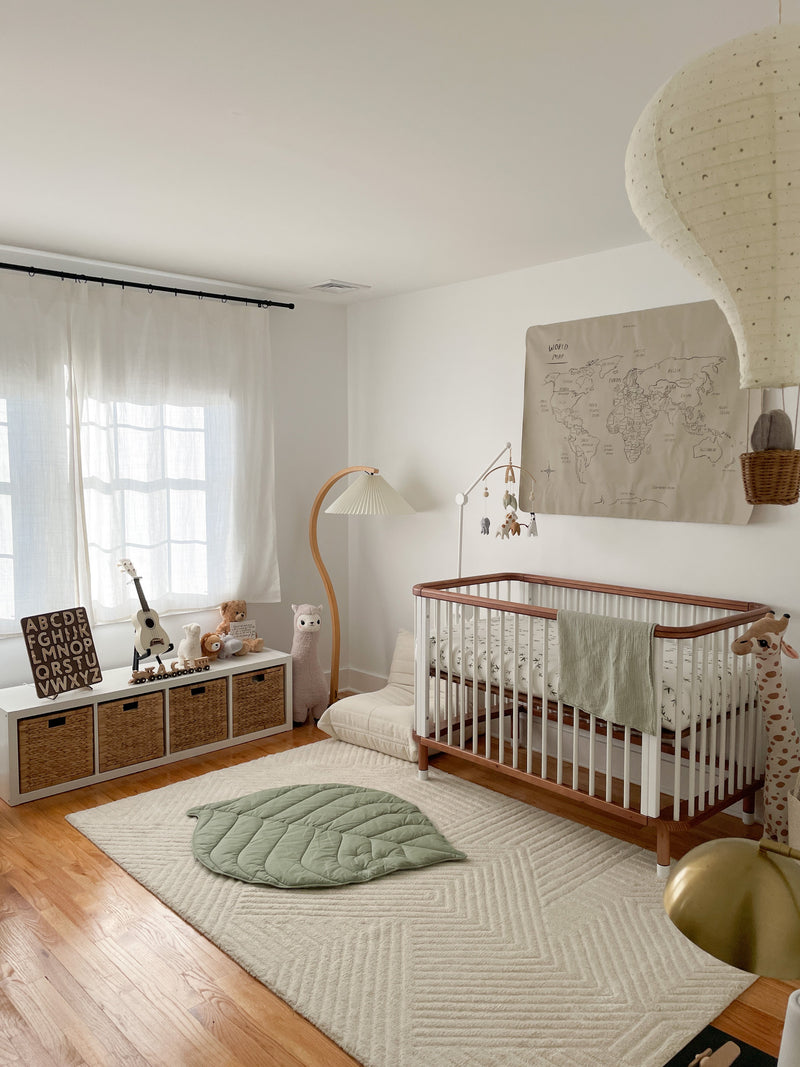
We chatted with interior designers Page Finlay and Tenlie Mourning about the nursery trends resonating with them most this spring, and one theme kept coming up: creating a calm, soft environment. “New parents are often exhausted and overstimulated, and spaces layered with gentle curves and rhythm tend to feel calming for everyone who walks into the room,” says Finlay. It’s a shift that shows up in everything from softly scalloped silhouettes to nostalgic animal motifs and romantic garden-inspired prints. Read on to see how designers are incorporating these gentle, storybook-inspired touches into nurseries this spring.


Scalloped edges have been popping up everywhere, from cribs and changing tables to lampshades and textiles. The soft repeating curve adds just enough depth without overwhelming the space, making it a sweet detail for nurseries and kids’ rooms.
“Research suggests that our nervous systems tend to respond positively to organic rhythm and soft curves,” says designer Page Finlay. “A scalloped edge introduces a soft pattern that provides visual interest without the intensity of bold graphics.” Beyond their calming effect, scallops also introduce a sense of craftsmanship and playfulness. “That repeated curved edge suggests a hand-crafted touch,” Finlay says, “which feels especially appropriate in a room centered around care, rest, and bonding.”
Mourning also shares that they represent a move away from the hallmarks of minimalism. “Scallops are a natural extension of the broader move away from the hard edges and right angles. It's sculptural without being heavy, feminine without being precious, and it translates across scales—a crib edge, a headboard, a textile border. It also photographs beautifully,” she shares.
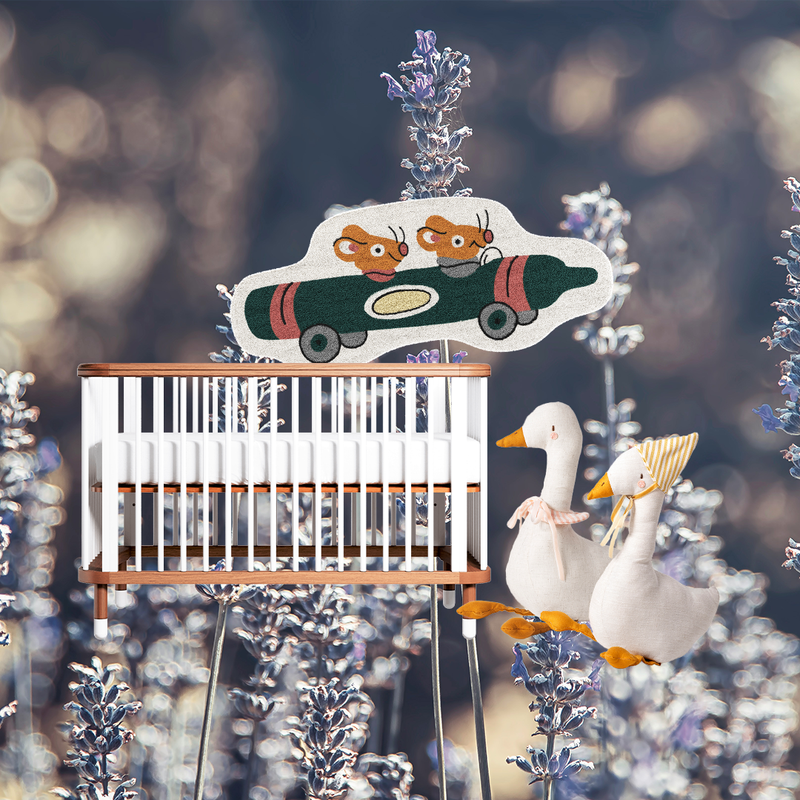
Swans and ducks are quietly making their way back into nursery design. The motifs—often found on wallpaper, bedding, and framed prints—feel deeply nostalgic, evoking the illustrations of classic children’s books.
“What I’ve noticed is that swans, ducks, and baby farm animals trigger memories of some of the most beloved children’s stories and illustrations ever created,” Finlay explains. “Many parents grew up with those images, so we recognize them almost instinctively.” The effect is both whimsical and calming. “These animals also have an inherent gentleness,” she says. “They’re associated with quiet water, soft colors, and calm natural settings, so they don’t feel loud or overstimulating in a space meant for rest.”
Mourning explains it this way: “I think it's a reaction to how aggressively un-childlike nurseries became for a stretch. The Scandinavian minimalist nursery—white, birch, spare—left something out. Children are drawn to narrative, to creature, to symbol. Parents are responding to that now, and also, I think, to their own nostalgia for the rooms they grew up in—the ones that had a personality. Ducks and swans carry a specific kind of innocence.”


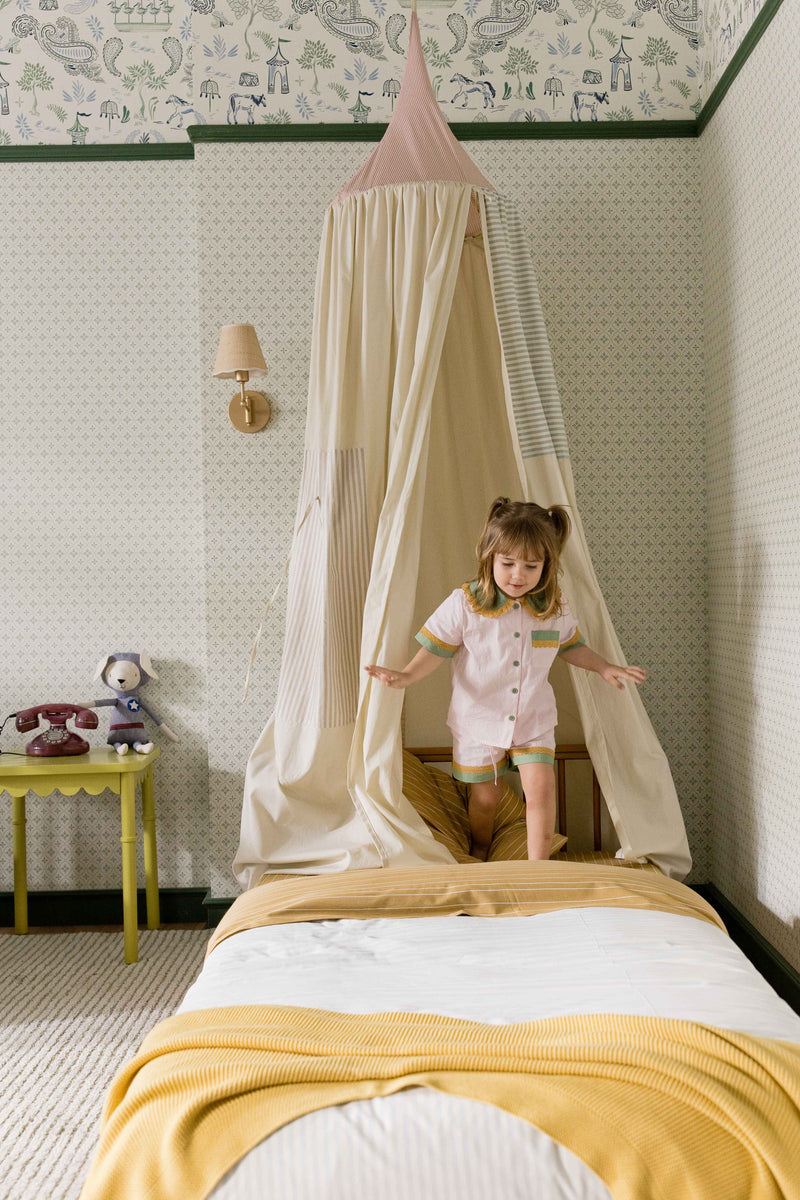
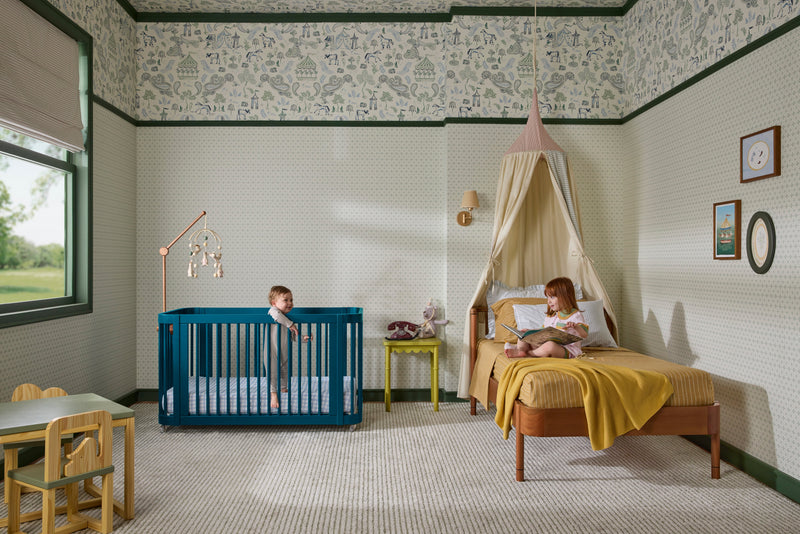
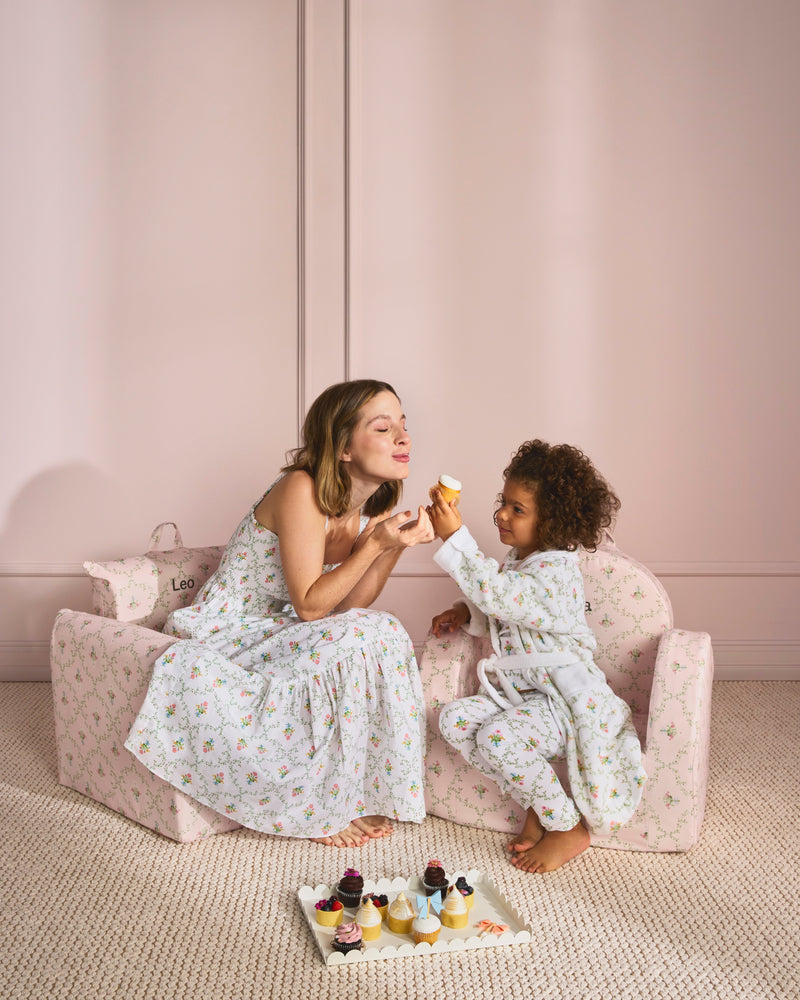
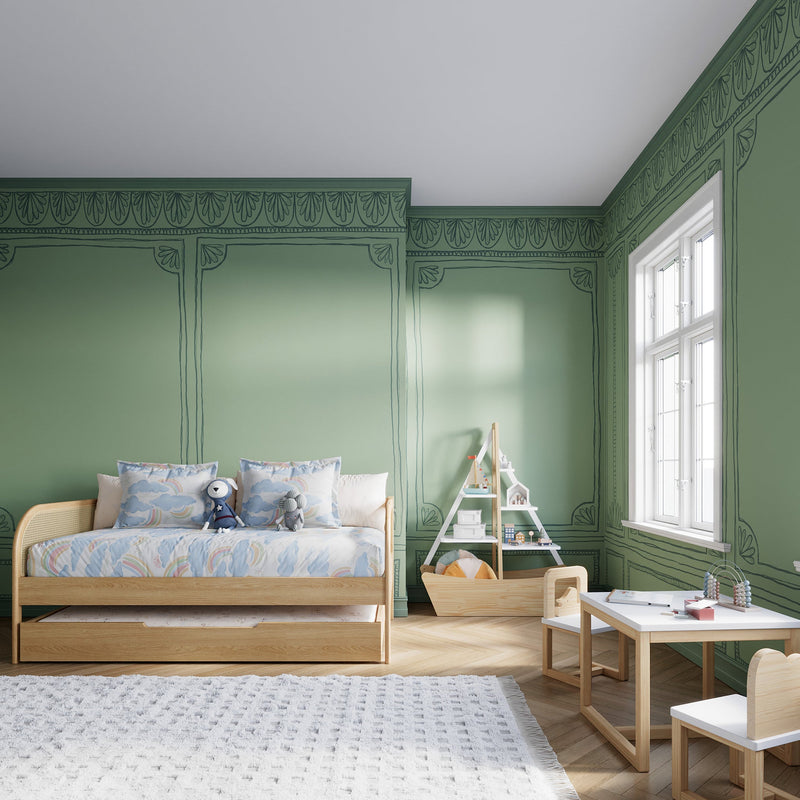
Florals, toiles, and painterly garden-inspired palettes are also blooming in children’s spaces this spring. The look, think delicate botanicals, soft greens, and romantic prints, signals depth in interiors. For Mourning, the trend is part of a broader embrace of ornament. “Designers are done apologizing for ornament,” she says. “The English garden reference is one expression of that. It’s layered, it’s referential, and it trusts the eye to hold complexity.”
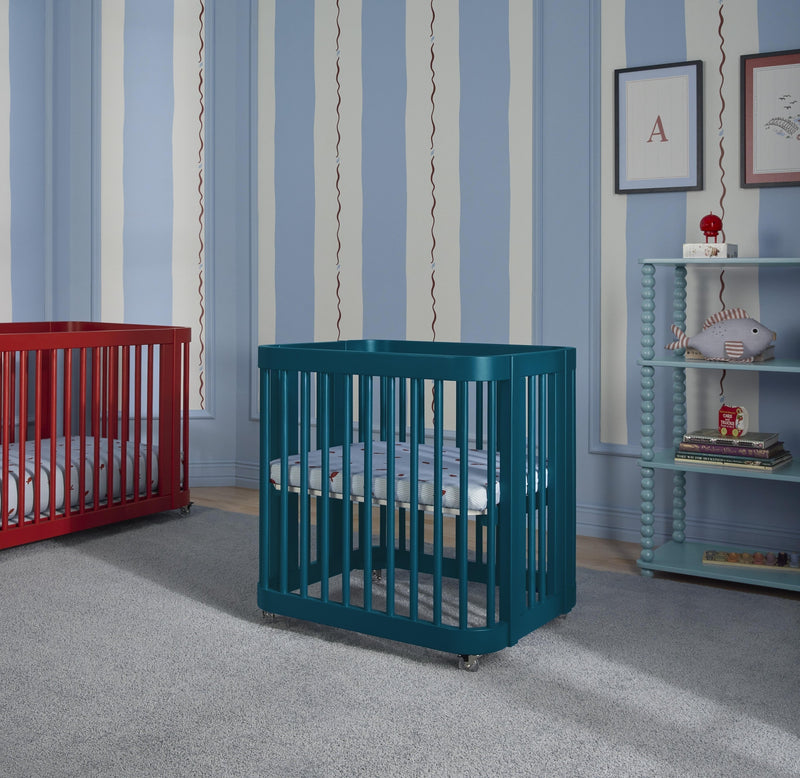
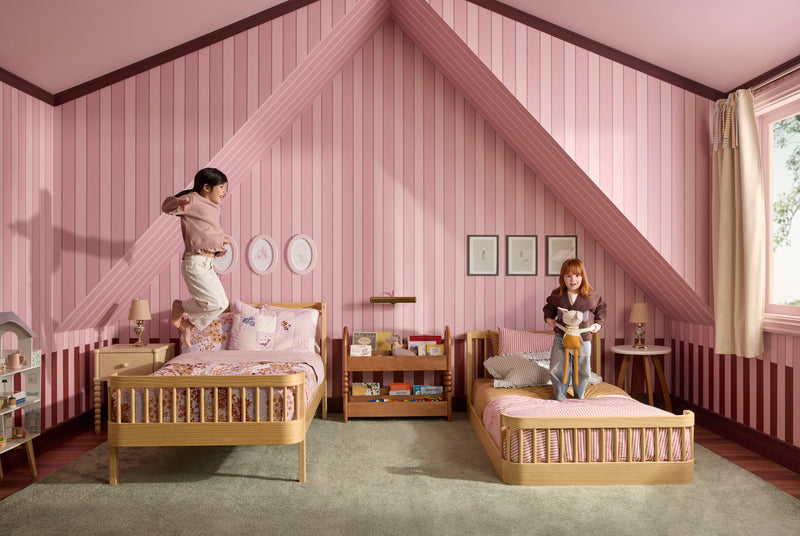
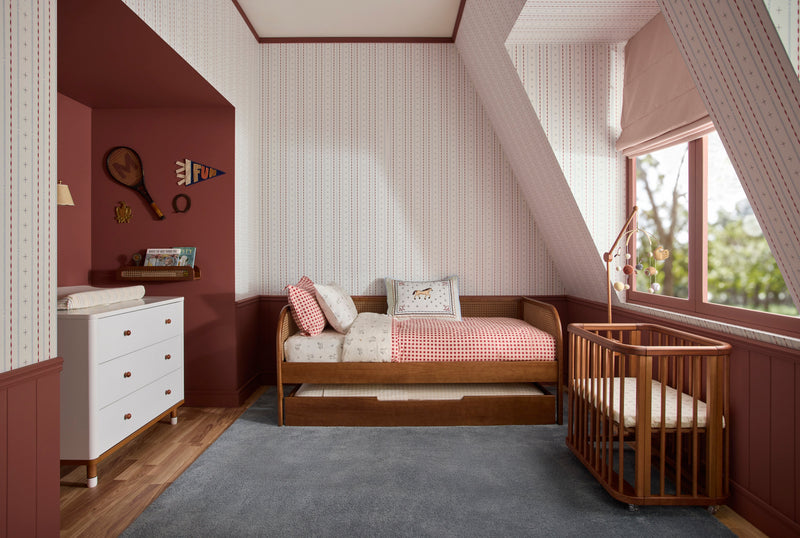
“What we are seeing right now is a gravitation toward spaces that feel warmer, softer, and more layered,” Finlay says. “After years of very pared-back interiors, many people are craving rooms that feel warm, personal, and a little more expressive.” Wall treatments like pattern-drenching and murals are the to-go these days versus opting for blank white walls.
Alongside pattern and ornament comes a new appreciation for spaces that feel thoughtfully assembled rather than perfectly styled. Designers say parents are increasingly drawn to nurseries that feel lived-in and embrace a more vintage feel.
“There’s a growing desire for homes that feel collected over time rather than perfectly styled all at once,” Finlay says. Romantic botanicals, vintage-inspired prints, and decorative details all contribute to that sense of a room evolving naturally. For Mourning, the appeal lies in the meaning behind the design, as well. “Parents are designing nurseries with more intentionality than ever,” she says. “The rooms have to carry meaning, not just function. I think the answer is about wonder, slowness, and objects with provenance. What will evolve is the specific vocabulary—the motifs, the colorways—but the underlying instinct toward rooms that feel earned and storied rather than assembled will hold.”