Gifting has never been easier
Perfect if you're short on time or are unable to deliver your gift yourself. Enter your message and select when to send it.

The neutral nursery, awash in pared-down hues and stripped-back furniture, has had its moment in the spotlight. And the pattern-drenched maximalist room? That one’s still in full swing. The on-theme space dotted in planets and rocket ships? A kid's favorite every time. Every nursery has its own essence, and whatever you or your child’s one may be, that's more than valid. But what if your aesthetic leans less minimalist retreat and more New England country club or Nantucket summer house? The preppy nursery might be right up your alley.

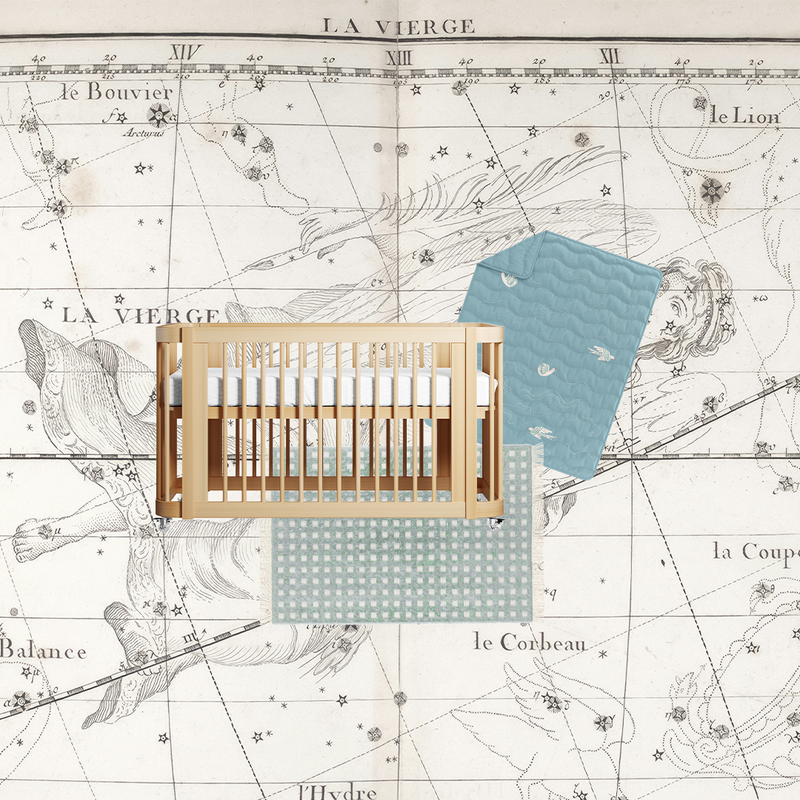
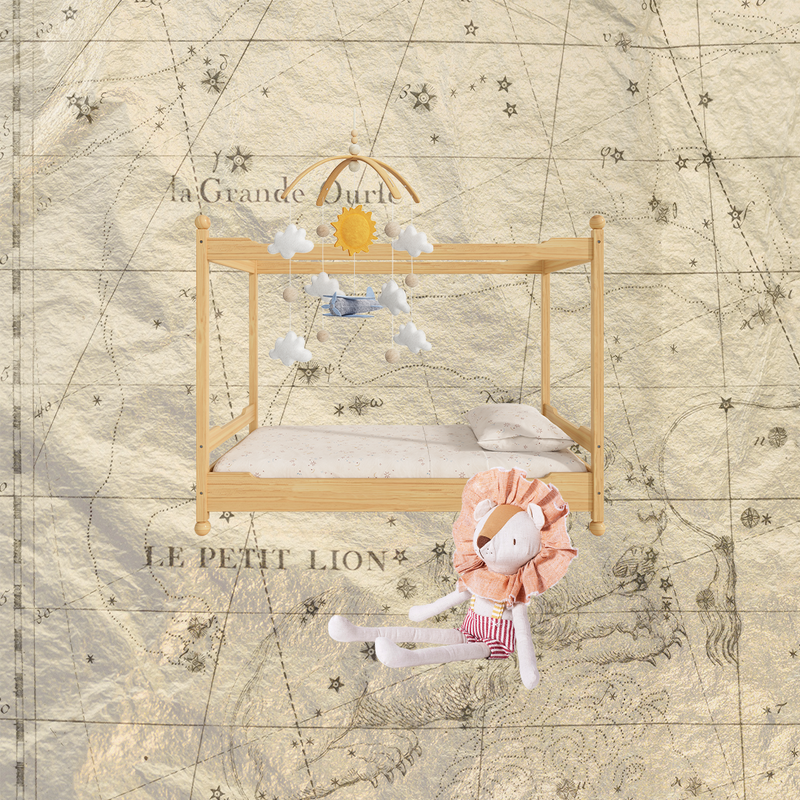
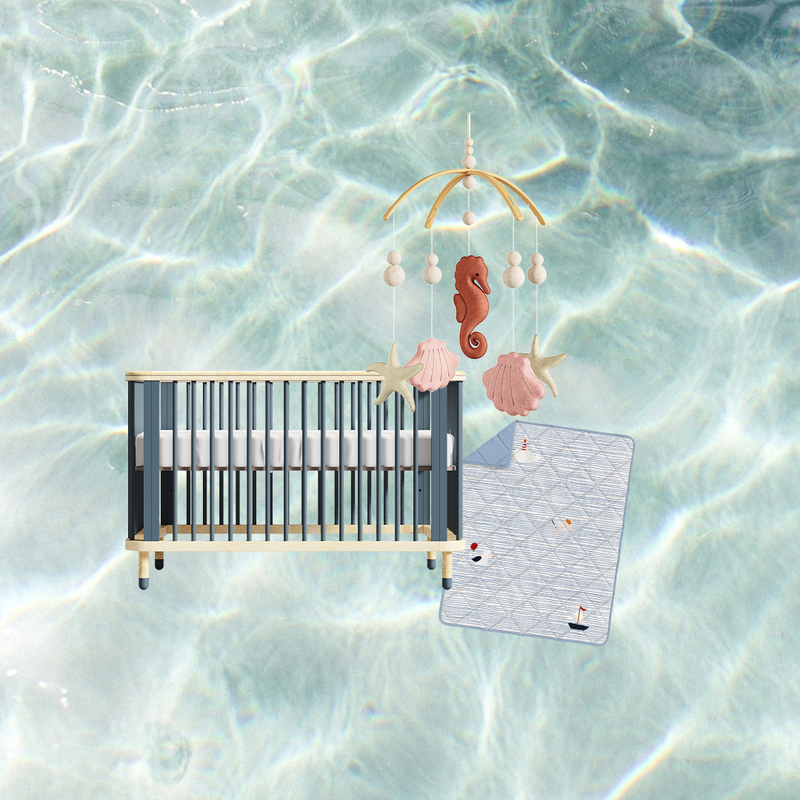
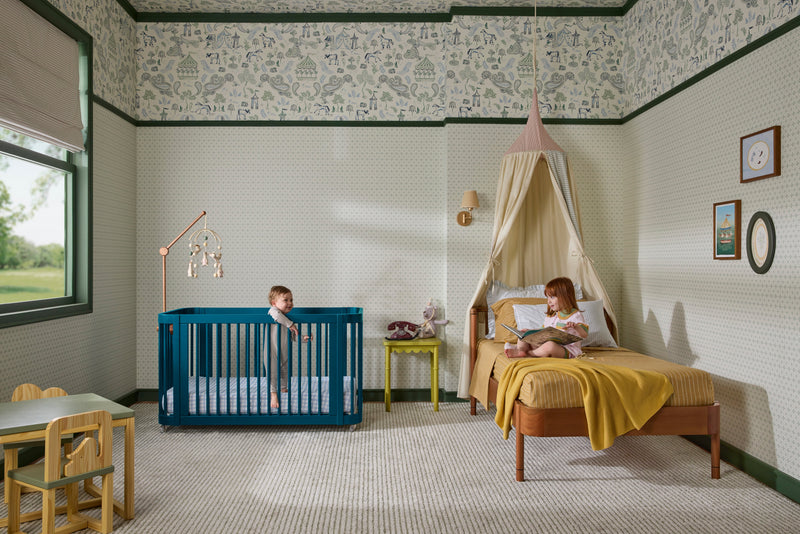
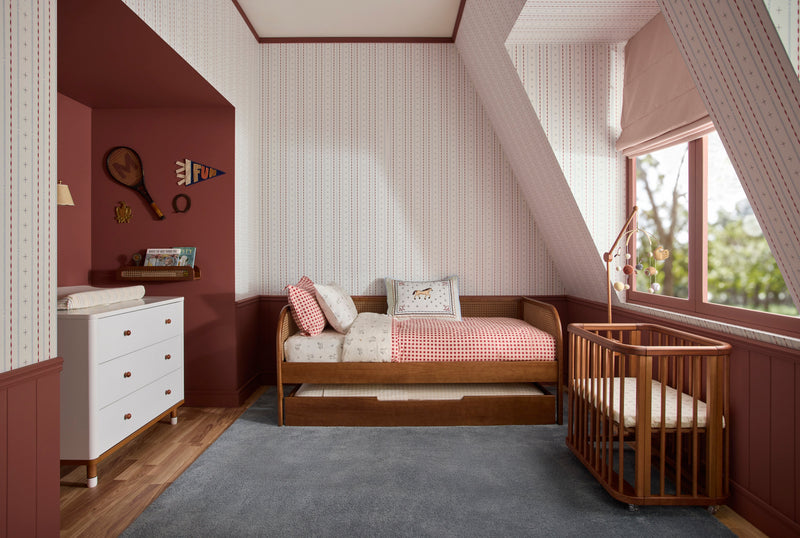
The preppy nursery is officially having a moment as of late and designers Jihan Spearman of Jihan Spearman Spaces and Page Finlay of Page Finlay Designs have been fielding requests for exactly this kind of buttoned-up kids space. As Finlay puts it: "It signals that this room belongs to the family, not just the baby." Think nautical accents, warm wood finishes, and statement gingham. Below, both designers break down why the look is resonating right now, and how to pull it off at home without it tipping into theme territory.
Why Preppy, Why Now?
The short answer is that parents are ready for a change. “Parents are exhausted by the saturated, primary-colored plastic aesthetic that dominated the last decade,” says Finlay. “Preppy reads as calm, considered, timeless, and adult in the best way.” Spearman traces the trend to something broader happening in design—a hunger for spaces with conviction, less copy-and-paste, and rooted in the past. “We've moved far past the era of sterile, neutral spaces, and right now, design is taking a massive cue from the resurgence of 1970s fashion,” she explains. “People are craving rooms with a definitive point of view.” “Old world” aesthetics, she and Finlay both agree, are having a moment and the nursery turns out to be a perfect place for that to land.


Not Your Parents' Preppy
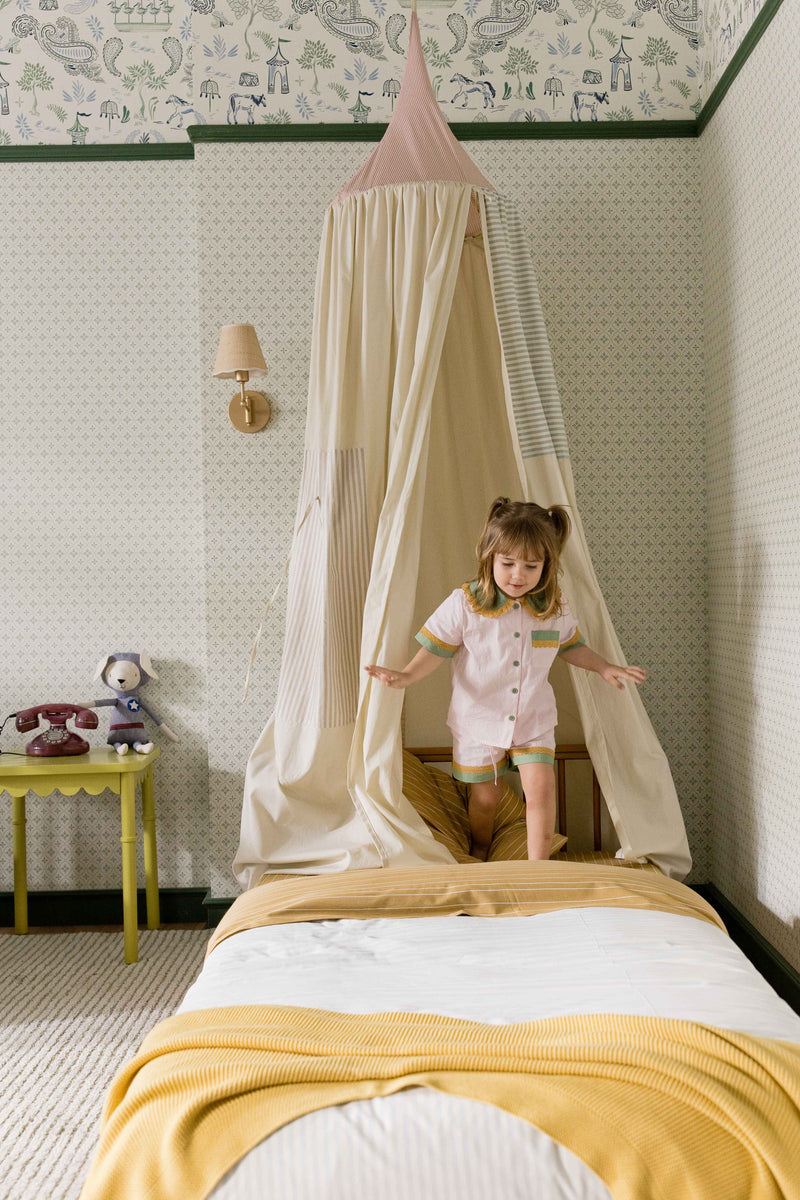
Today's preppy nursery borrows the bones of the original—the stripes, the plaid, the brass—but the execution is looser, warmer, and more lived-in. “The traditional preppy could feel stiff, almost like a professor's office,” Finlay notes. “What we're seeing now loosens it up with texture, vintage pieces, and warmer light.” Spearman describes it in similar terms: the interior design equivalent of a tailored blazer thrown over a vintage tee. The weight of heavy linens, velvets, and dark woods is there, but the result feels youthful and fresh. It’s the grandmillennial sensibility applied to the smallest room in the house.
The Foundation Is Color And Pattern Done Right
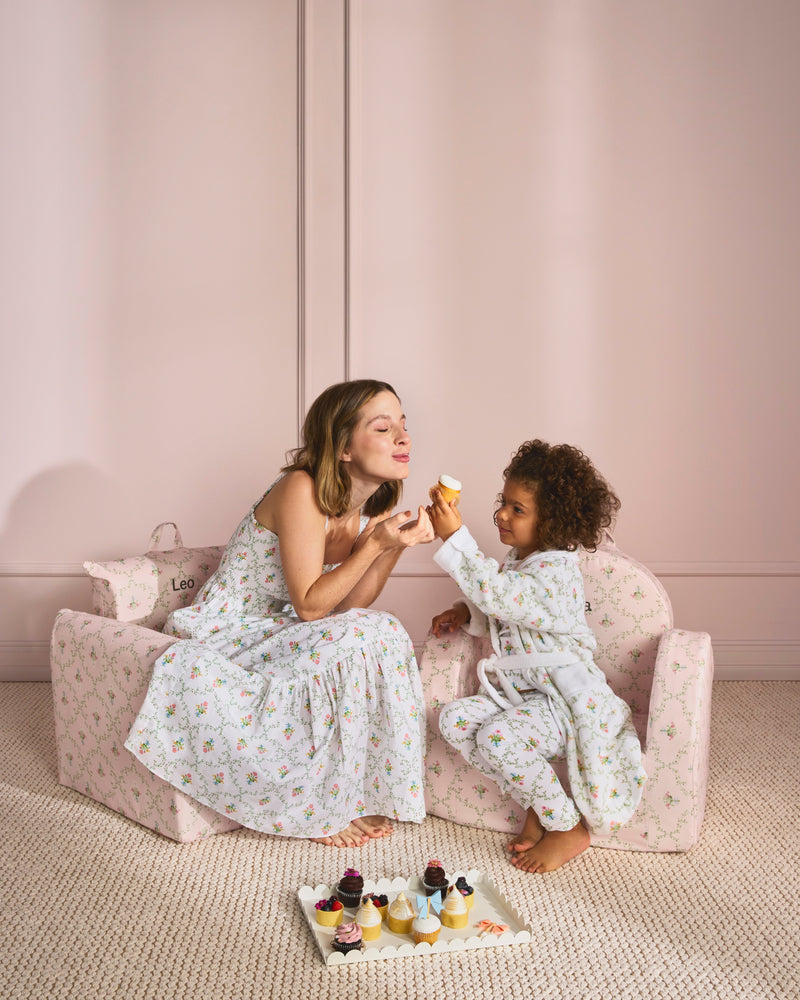
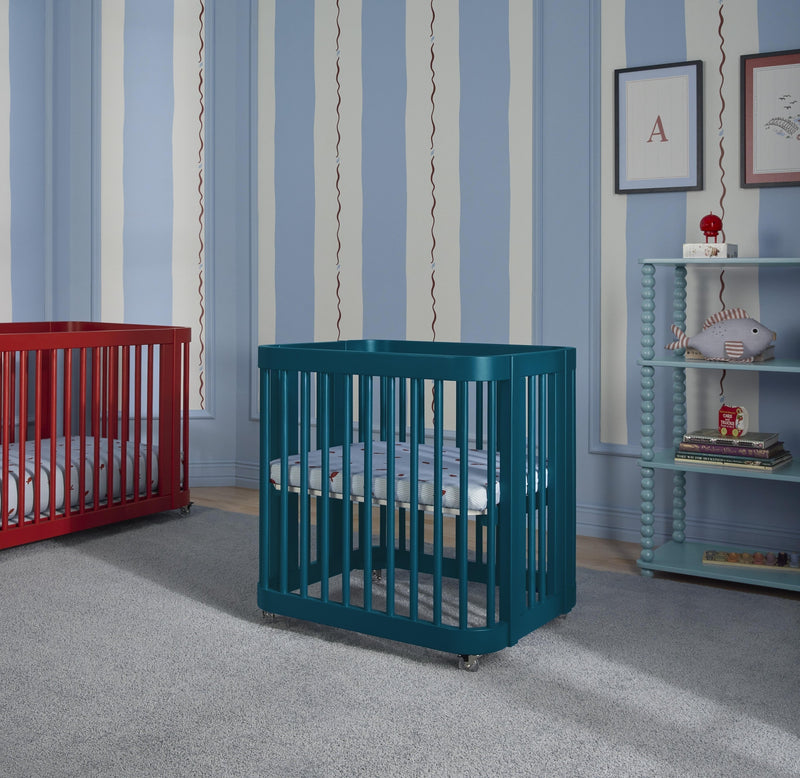
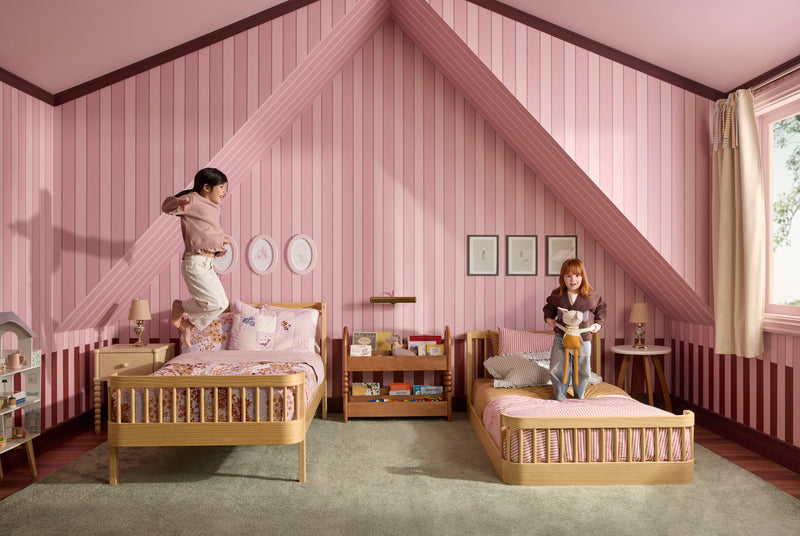
Both designers point to a high-contrast, classically rooted palette as the key to longevity. “Blue and crisp white form the ultimate preppy base that works from infancy through the teenage years,” says Spearman, who then layers in punchy accents like kelly green, bright coral, and canary yellow against a bright white canvas. Finlay favors a slightly more muted palette: ivory, butter, soft sage, dusty navy or hunter green, “with maybe one punch of oxblood red or coral used sparingly.” When it comes to pattern, Spearman leans into mixing plaids, tartans, and tattersall with classic gingham or bold awning stripes, arguing that when the foundation is classic enough, those textiles read as sophisticated rather than childish. Finlay's edit is tighter: “A ticking stripe, a simple gingham, and a well-scaled scallop.”


The Art Of Restraint
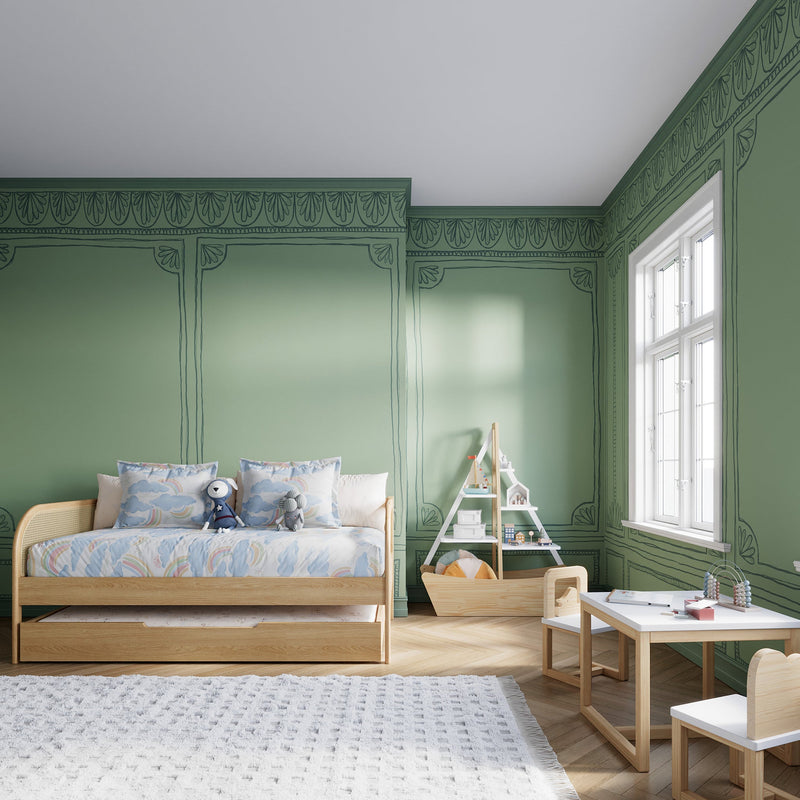
Where the look goes wrong, both designers agree, is when it tips into performance. “The line for me is always restraint,” says Finlay. “I'd rather see one excellent tweed and a single well-chosen piece of grosgrain trim than five different 'preppy signifiers' competing for attention.” She steers clients firmly away from anything that turns the room into a branded moment like a wall of crests or mascots, anything that reads collegiate-merchandise rather than early Americana. Spearman's approach is structural. She pairs traditional shapes with clean, modern lines so the room stays elevated but not precious. Think beadboard or crown molding juxtaposed against a playful furniture finish or hand-troweled texture. Its architectural gravitas are offset by a light touch.
Building for the Long Game
Perhaps the most useful thing about the preppy nursery, done well, is that it doesn't need to be dismantled the moment your child outgrows a crib. Both designers build with this in mind from the start. Finlay's test for any permanent piece: “Will I still want this when my child is eight, or when it becomes a guest room? If not, it's likely theme-driven and belongs in the transitional layer, not the foundation.” That means natural wood, gentle leathers, rattan, brass or unlacquered hardware, linen and cotton—materials that age well and read, in her words, as "a well-designed room that happens to currently hold a crib.” Spearman agrees: the core foundation—the blue, the white, the architectural bones—is what carries the room forward. The age-specific whimsy lives in the layers and can be swapped out as your kid grows.