Gifting has never been easier
Perfect if you're short on time or are unable to deliver your gift yourself. Enter your message and select when to send it.

School is almost in session, which means preschool and school-aged parents are already thinking about prep as the summer winds down. But before you stock up on folders and lunchboxes, the real groundwork hits closer to home. It starts in the playroom.

Having the right toy storage or dedicated desk can turn a room from chaotic free-for-all to a space kids actually want to use. One where they can find what they're looking for and put it back without you asking more than once (a parenting win). But do you organize by category, so every toy has a designated shelf? Or by rotation, keeping most things out of sight until it's their turn? To help you decide and set up your playroom for success, we asked Montessori expert Saniyyah Khalilallah, the author of I Help at Home! and I Did It Myself!. Khalilallah is a certified Montessori educator with over ten years of experience teaching children ages three to six. Thoughtful systems like shelves low enough for kids to reach, a designated spot for every toy, and an uncluttered space that won’t overstimulate are tenets of the philosophy. Khalilallah has spent over a decade helping parents put those principles into practice at home and now she’s sharing her top tips below.


What Makes A Playroom Actually Montessori
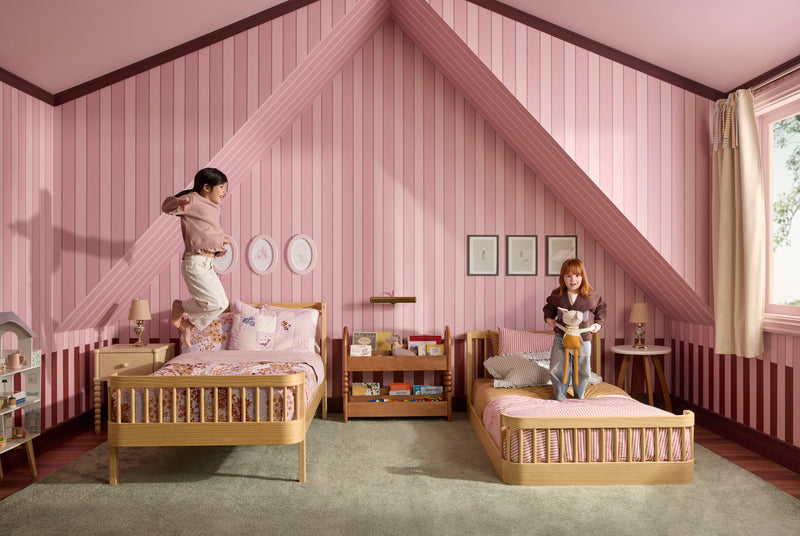
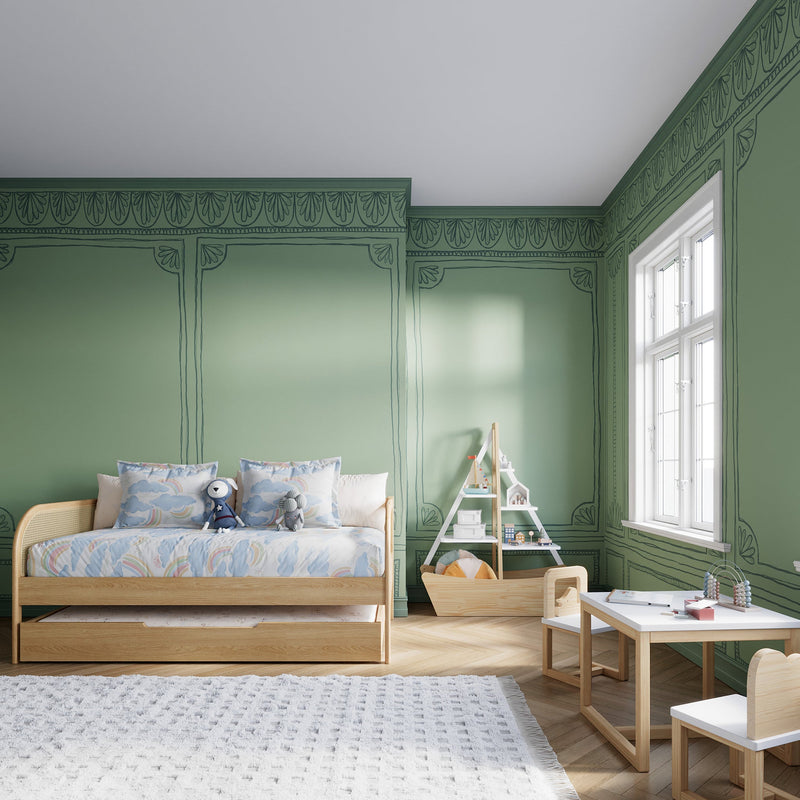
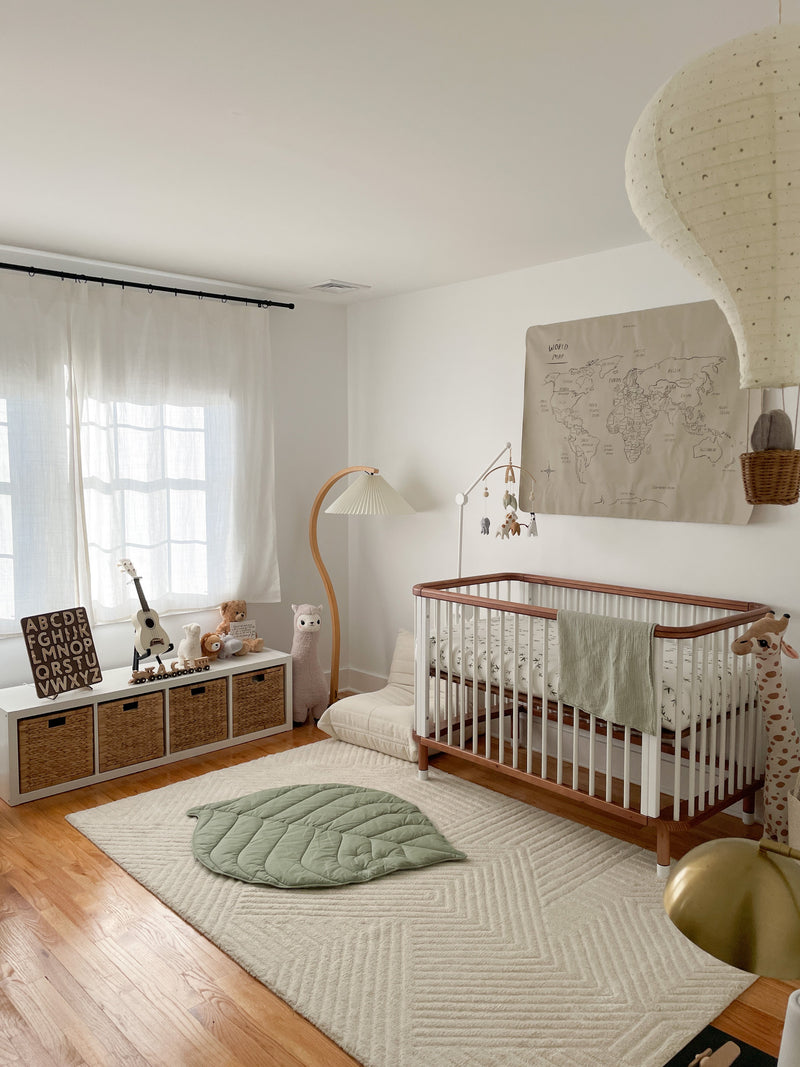
While often talked about interchangeably, minimal and Montessori aren't exactly the same thing, but they're closely related. “Children thrive in environments that are simple, clean, and accessible,” says Khalilallah. Soothing colors help set a relaxed tone since the child isn't distracted by bright, busy patterns, and keeping the toy count low lets kids focus on a few favorite activities instead of feeling overwhelmed by choice. The goal, she says, is a room that's “inviting and beautiful to the child and not overstimulating.” When a space feels good to be in, kids want to play there, and take pride in keeping it that way. So keeping the tones soft and calming are encouraged.
Set Up The Room So They Don't Need You To Manage It
The key to a playroom kids can actually maintain themselves is accessibility and setting up the systems to encourage this. “Having shelves that are low enough for the child to pick out toys will allow for independent upkeep of the playroom,” Khalilallah explains. Every toy or activity needs a designated spot like its own basket or tray, so putting things away isn't guesswork. Opting for low-to-the-ground cubbies that allow you to build upon systems with the Wave Toy Organizer as they grow is key. She recommends walking your child through the space yourself first: “showing the child how to take toys or materials off of a shelf and returning them where they belong will be a key factor in keeping the environment organized.” And modeling matters just as much as instruction. As she puts it, “children are always watching adults,” so keeping your own things organized teaches more than any rule will.
How Often To Rotate Toys & How To Tell It's Not Working
Rotation exists to keep a child's interest and not overwhelm them with choices. “When a child shows no interest in a toy or it has not been used in awhile then it is time to remove it from the playroom,” says Khalilallah. That disinterest usually points to one of two things, either they've outgrown it, or it's not quite the right fit yet. Her fix for the second scenario is ‘removing a toy and then bringing it back out after a month or so will give the child a new perspective on the material.”
For storage, out of sight is the operative phrase here. “Bins that can be stored in a different room would be ideal,” she says, “but if space is a concern then materials can be put away in a corner or tucked under or in storage-friendly furniture.” The labeling matters as much as the location, too. It's what makes a rotation something you'll actually follow through on rather than a good intention that fades quickly.


Keep The Space Simple & Prime For Play
More toys doesn't mean a happier kid, often it means the opposite. “Children typically want the opposite of this,” Khalilallah says of parents offering the newest, flashiest option. Her benchmark? “About five to seven toys or activities in a playroom is a good amount for a young child,” she says. That's enough to keep them engaged, and few enough that they can “successfully complete an activity, put it away and pick out another one.”
The other habit she flags is interrupting them during play. “Interrupting the child can not only break concentration, but can also communicate to the child that whatever the adult is telling them is more important than the child's own play time,” she says. Letting them finish, even if it takes longer, is part of honoring that independence.
As Kids Move From Toddler To Early School-Age
The shift should follow the child's actual interests rather than a curriculum. “If a child has a strong interest in bugs, then having toys or materials that showcase bugs will give the little one the opportunity to explore this subject more,” Khalilallah shares. What shouldn't move into the playroom though? Homework. “Homework is not part of the Montessori curriculum and should not be given during playtime," she says. “This doesn't mean that we don't ever teach a child something new while they are playing, but we want to make sure the interest is coming from the child and not encouraged from an adult.” So using a dedicated desk that has adjustable height, like the Wave Desk, for art or journaling is probably a better call than bringing school work into the playspace.
Life skills are the exception though. She points to things like washing their own dishes, wiping surfaces after eating, and even trying their hand at washing their own laundry as ways to build independence without turning playtime into homework.
Furniture That Grows With Them
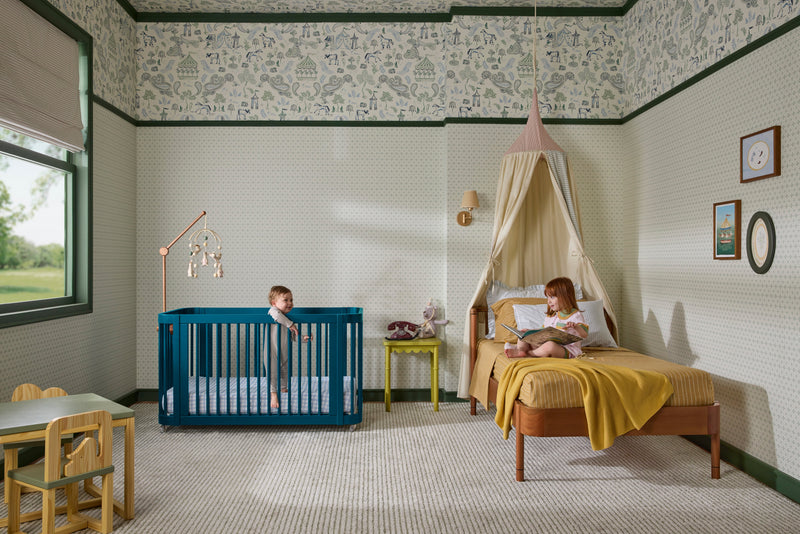
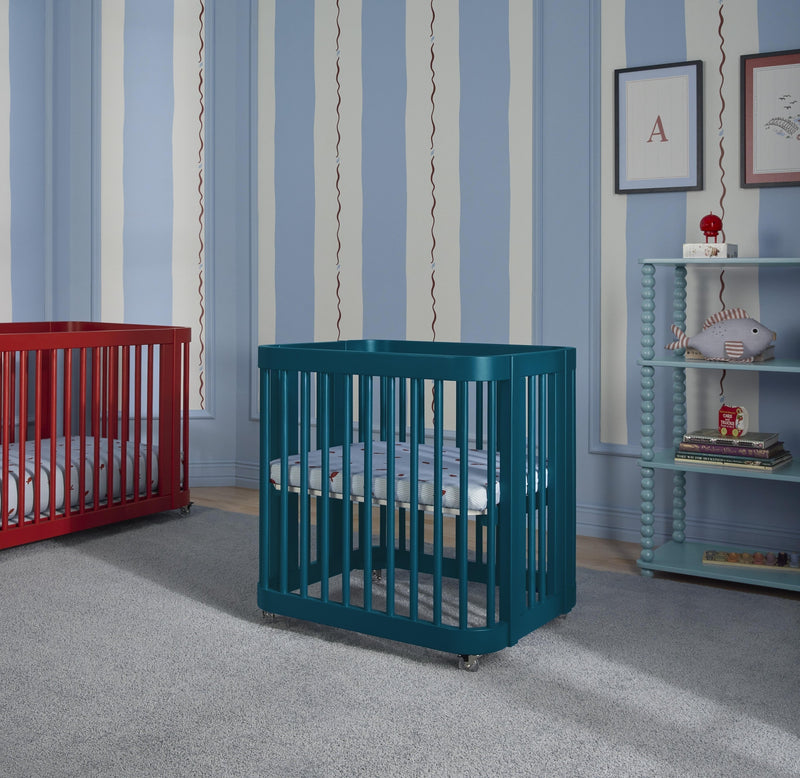
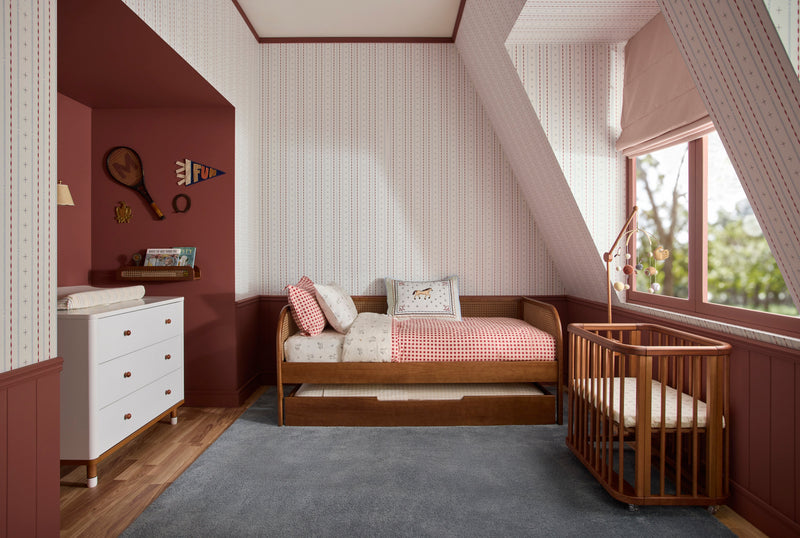
Rather than replacing pieces as your child grows, Khalilallah suggests furniture built to adjust to them. “Tables and chairs that have adjustable legs are great for when a child grows and needs a taller surface” or convertible beds that go “from a bassinet, to crib, to toddler bed, or a Montessori floor bed to a standard twin."