Gifting has never been easier
Perfect if you're short on time or are unable to deliver your gift yourself. Enter your message and select when to send it.

Designing a room for one child is a creative exercise in and of itself. Add in another child, in the same room no less, and you have a bit of a puzzle on your hands. How do you divide the space, or make room for each kid's interests, without either one feeling shortchanged? Shared rooms are a great way to save square-footage and an opportunity for two kids to grow close alongside each other, but the practical challenges are real. What happens when one loves monster trucks and superheroes and the other doesn't? Or when pattern-drenched walls are only one sibling's idea of a dream room?

Jourdan Fairchild, the North Carolina–based interior designer behind Jourdan Fairchild Design, shares her tips on how to personalize a room where nobody has to pick a side. “The goal is less about literally dividing the room and more about giving each child a few things that feel distinctly theirs,” says Fairchild. Ahead, her advice on designing a shared room that actually holds up for both kids (or more!).


Design With Purpose
Before any furniture gets selected, Fairchild starts with how the room actually needs to work day to day. “I always ask how a room needs to function on a daily basis to determine the layout,” she says. It's easy, she explains, to compromise a room's everyday purpose by designing around something that happens six times a year—like an occasional guest—instead of the two kids who actually sleep there. “I want it to be a fantastic child's bedroom first. Then we figure out the smartest, least intrusive way to accommodate that secondary use.”
The Big Bed Query
Once function is settled, the biggest decision is almost always the beds and it's here that Fairchild pushes back on a very popular assumption. Bunk beds, the default answer for tight square footage, aren't always the smartest one.
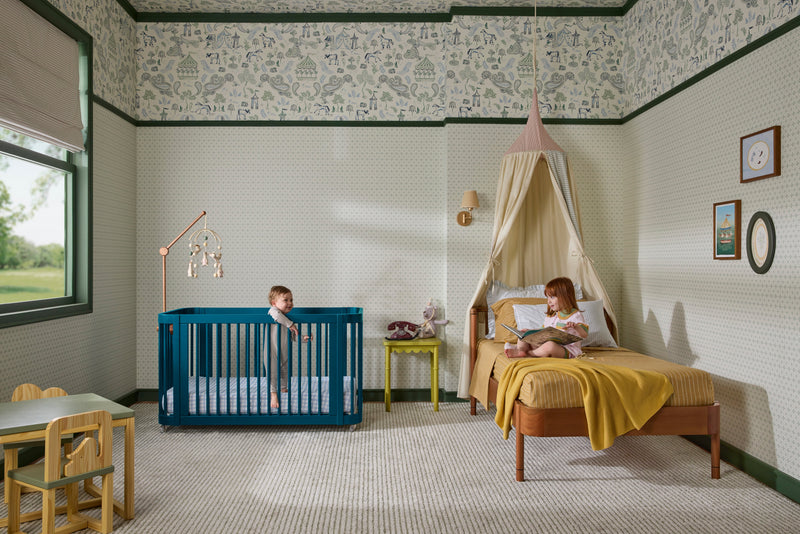
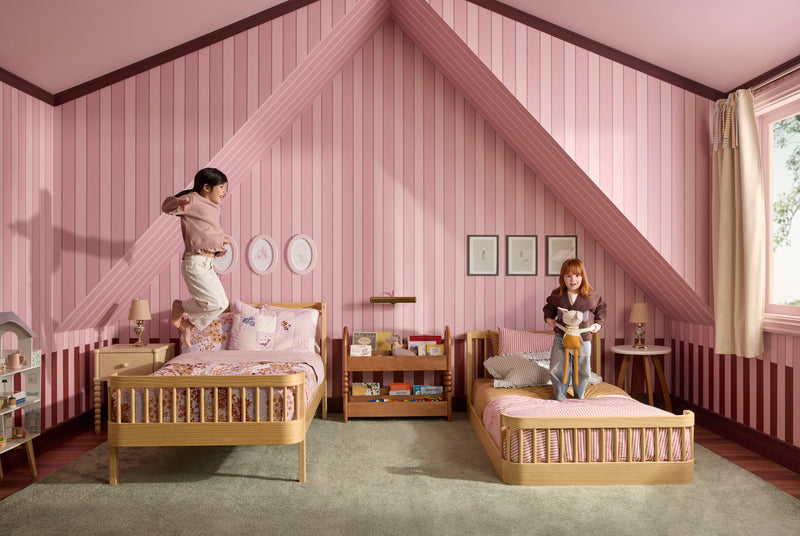
“If you have the square footage, I love separate twin beds,” she says. “They're incredibly flexible, they work at almost every age, and you aren't locked into one configuration forever. You can rearrange them as the kids grow or eventually move them into separate rooms.” Bunks have their place, she notes, but mostly as a last resort. “They tend to lose their novelty quickly.”
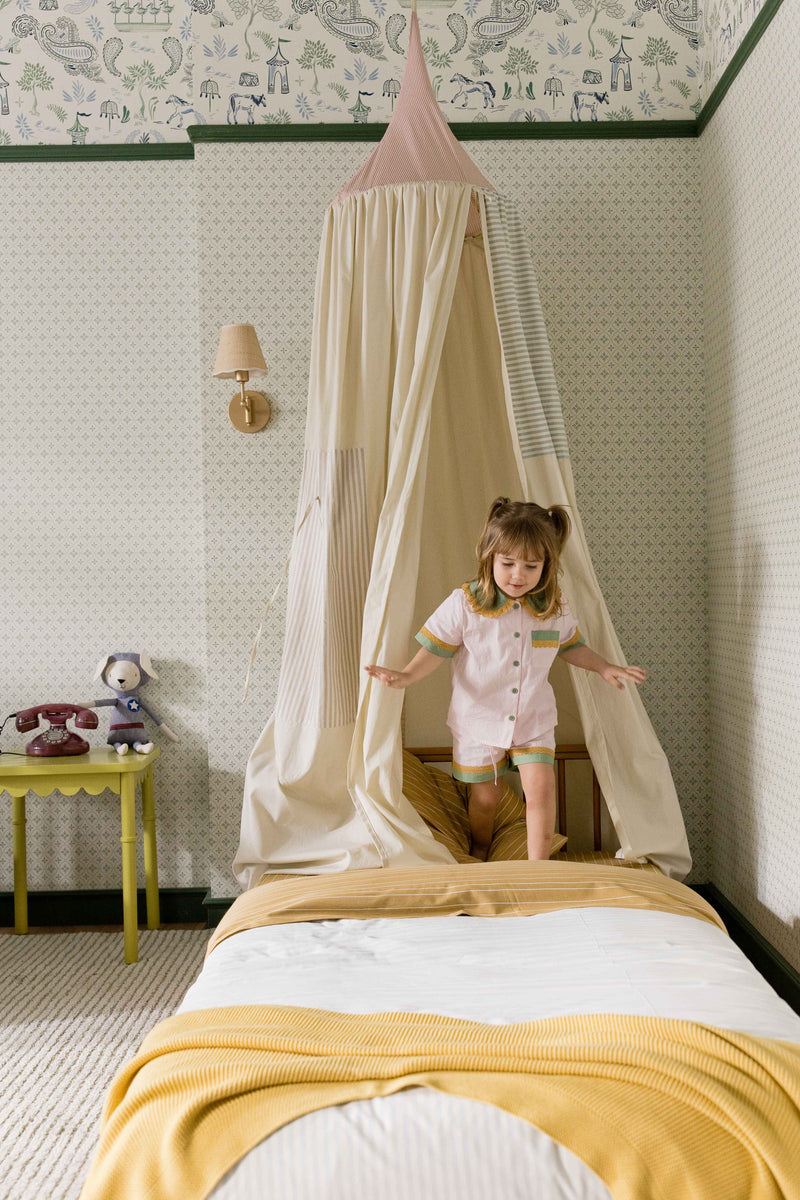
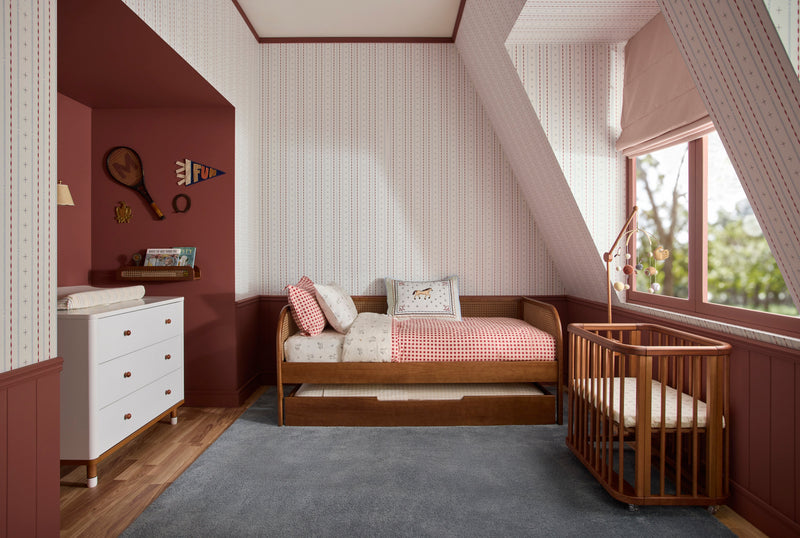
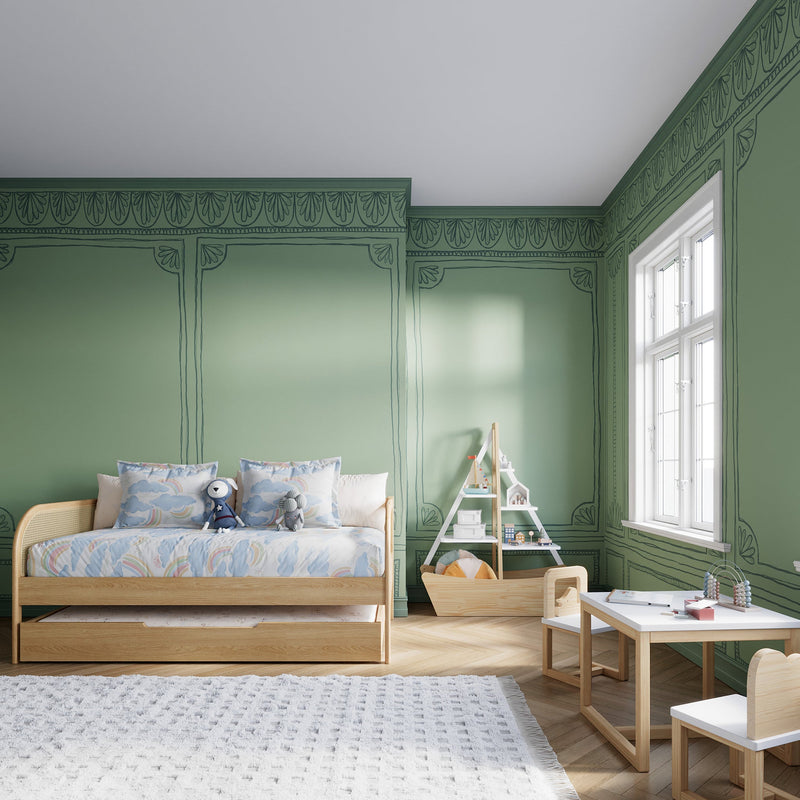
For shared rooms where bunks feel too permanent but twin beds won't fit, a daybed with trundle is worth trying. By day it reads as a single low-profile bed and it’s a workaround that keeps the room feeling open. Resist furniture built for one narrow age or stage. A well-made wood bed, a real dresser, a sturdy nightstand are the pieces that outlast anything designed to look overtly childlike.


Making It Theirs & Making It Function
A simpler way to give each kid ownership is to let the small stuff be entirely theirs, even if the bigger furniture stays shared or matching. “You could allow each of them to choose artwork above their bed and or sheets and pillows,” Fairchild says. “Or assign them each a bookshelf or drawer surface and buy accessories that specifically reflect their interests.” The larger design language like the beds, the bedding style, the color story can stay unified.
Two kids sharing a room also usually means two different schedules. One still napping, one staying up to read. Fairchild's fix is layered lighting. Pull in strong ambient light for the room as a whole, plus something each child can control independently. “I want good ambient lighting for the whole room, but then each child should ideally have a light they can use like a bedside sconce, reading lamp or small table lamp,” she says. Storage gets the same treatment. A mix of baskets for toys in daily rotation, open shelves for books and favorites, and closed storage for everything else. She even treats a few toys almost like styling objects, worth displaying rather than stashing away. “I have to love the way it looks, too, for it to stay more than a day,” she admits.
Design For The Long Haul
The same longevity mindset applies to the room as a whole. Fairchild separates the “architectural” elements (shelving, a good rug, window treatments, lighting, a dresser) from the details that are easy to swap out as taste and age change (bedding, toys, pillows, small accessories). And she doesn't believe a room needs to mature into something more serious as kids get older. “My girls' room is as colorful, layered and playful as it was when they were babies,” she says.
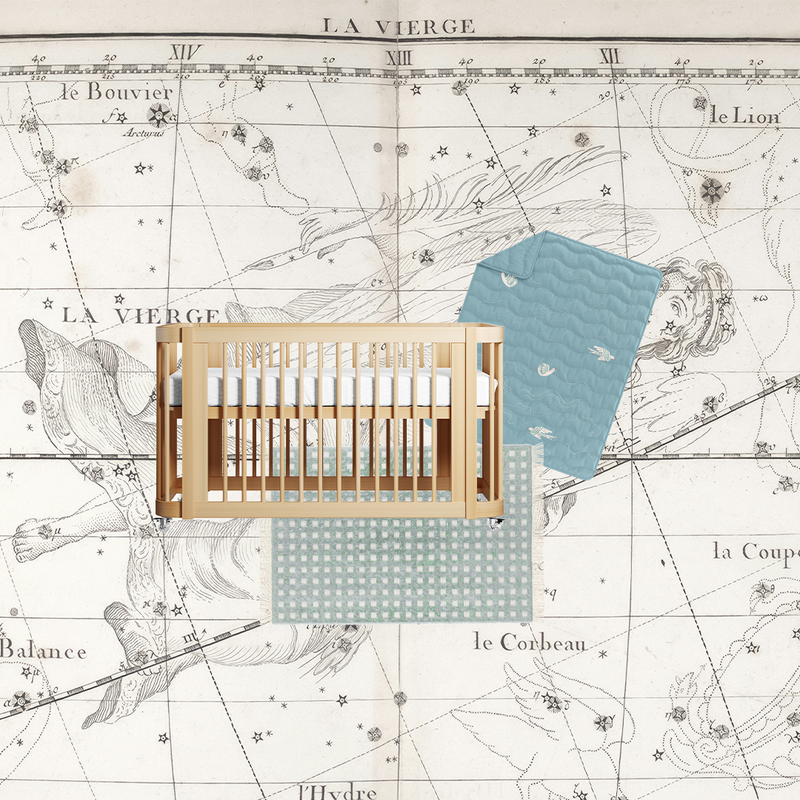
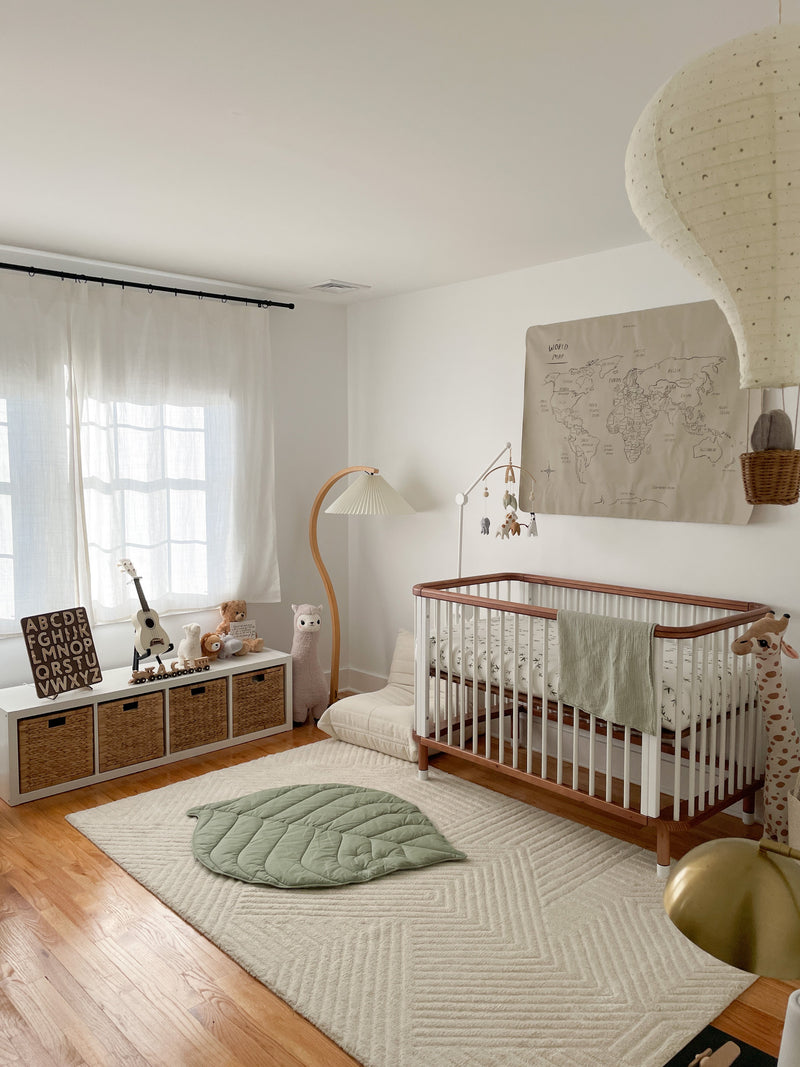
That same thinking extends to what actually makes it into the room. Her advice points to a simple test. Ask “will this piece still make sense in three years, or five?” A crib that converts into a toddler bed, a dresser that works as a changing station now and a regular dresser later, modular storage that reconfigures as storage needs shift. The fewer times you have to start over, the more room there is, literally and financially, for the smaller touches that actually make a shared space feel fair.